Canadian Indigenous Engagement
Exploring Indigenous History, Culture, and Reconciliation at Columbia College
At Columbia College Calgary, we are committed to fostering Indigenous awareness, education, and reconciliation. Learning is a shared journey, and we strive to create an inclusive space where Indigenous voices, knowledge, and experiences are valued and respected.
Our Office of Indigenous Engagement provides resources, events, and initiatives that deepen understanding of Indigenous history, culture, and contemporary issues in Canada. Through partnerships with Indigenous communities, elders, and knowledge keepers, we support meaningful dialogue and reflection.
Reconciliation is a collective responsibility, and we encourage everyone to engage in learning, relationship-building, and action. Together, we can create a future where Indigenous and non-Indigenous communities thrive in respect and understanding.
Watch
Visit Indigenous exhibitions at GLAM (Galleries, Libraries, Archives, and Museums) or cultural institutions. Here is a collection of films and documentaries by Indigenous film-makers.
Read
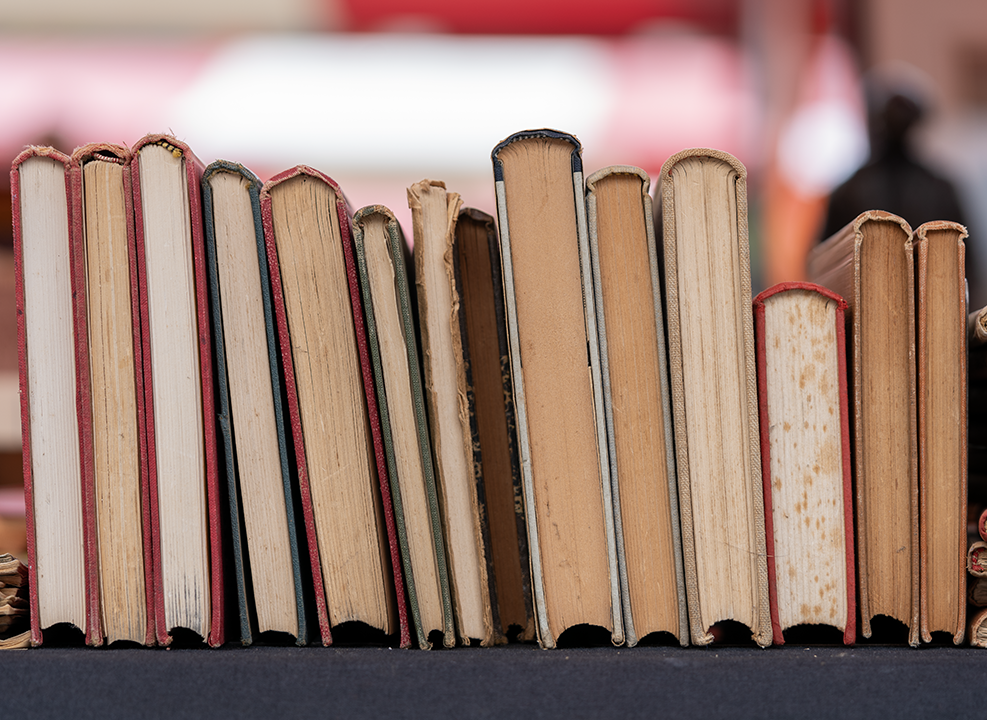
Here is a collection of materials created by Indigenous authors. Read them, share them with children, and implement the Calls to Action.
Review the Truth and Reconciliation reports and archives
The NCTR Archives and Collections is the foundation for ongoing learning and research. Here, Survivors, their families, educators, researchers, and the public can examine the residential school system more deeply with the goal of fostering reconciliation and healing.
- Learn about the National Centre for Truth and Reconciliation Here.
- The Centre is hosting events between September 27 – October 1 available to the public – Click here to view the schedule
- Read The Moose Hide Campaign’s Guide to Observing September 30th
Thompson River University- 94 Calls to Action Explained
What Are The Truth And Reconciliation 94 Calls To Action, And How Can We Better Engage With Them?
Within current academic discourse there is a lot of discussion surrounding reconciliation, particularly centering around the Truth and Reconciliation Commissions 94 Calls to Action. Although these are referenced frequently, many students and academic staff still struggle to understand their purpose, and how to practically apply them to their specific departments.
This article breaks down the context they emerged from, simplifies the subjects within the Calls to Action, discusses what’s been done so far, and provides resources to help those within the field of education better engage with them on a daily basis.
Expand your knowledge with the article, “21 Things You May Not Have Known About The Indian Act”
Many laws affecting Indigenous Peoples were combined in 1876 to become the Indian Act. The Act gave Canada a coordinated approach to Indian policy rather than the pre-Confederation piece-meal approach.
What is Red Dress Day?
The Canadian Encyclopedia – A comprehensive article that provides historical context and information about the significance of Red Dress Day in Canada and its connection to the issue of missing and murdered Indigenous women and girls. Click here to read.
Government of Alberta – A webpage that explains the meaning of Red Dress Day, its importance, and how to get involved in commemorating and raising awareness about the issue. Click here to read.
How did Red Dresses Become a Symbol for Missing and Murdered Indigenous Women? – An article that explores the origins of the red dress symbol, its cultural significance in Indigenous communities, and its use in advocacy for justice and healing for missing and murdered Indigenous women and girls in Canada. Click here to read.
National Inquiry into Missing and Murdered Indigenous Women and Girls
National Inquiry into Missing and Murdered Indigenous Women and Girls – A government-led inquiry that investigates the systemic causes of violence against Indigenous women and girls in Canada.
Read more about the National Inquiry
Government of Canada National Inquiry into Missing and Murdered Indigenous Women and Girls – A comprehensive website that provides information about the inquiry, its findings and recommendations, and actions being taken to address the issue.
Read more about the Government of Canada National Inquiry
No More Stolen Sisters: A human rights response to discrimination and violence against Indigenous women
A report by Amnesty International that documents the human rights violations against Indigenous women in Canada, including the high rates of violence, and calls for action to address the issue.
Government of Canada – Missing and Murdered Indigenous Women and Girls – JustFacts
A collection of statistics and facts related to violence against Indigenous women and girls, including the historical context, root causes, and impacts of the issue in Canada.
May 11, 2023 is the Moose Hide Campaign Day
The Moose Hide Campaign began as a grassroots BC-born Indigenous led movement to engage men and boys in ending violence towards women and children. It has grown into a nationwide movement of Indigenous and non-Indigenous Canadians from local communities, First Nations, governments, schools, college/universities, police forces, and many other organizations – all committed to taking action to end this violence.
For more information: Moose Hide Campaign – https://moosehidecampaign.ca/issue/
Read the United Nations Declaration on the Rights of Indigenous Peoples
Listen
Listen to those who are willing to share their stories and experiences, that is a privilege you have been given. Here is a collection of Indigenous podcasts and musicians.
Review and listen to a podcast from Think Indigenous
Think Indigenous is a podcast that highlights its yearly conference keynotes & “Red Talk” presentations sharing best practices, innovation and delivery models of Indigenous education.
Listen to stories of those who survived a Canadian Residential School or the 60s Scoop
Educate yourself by listening to stories of those who survived a Canadian Residential School or the 60s Scoop such as:
-
- Unrepentant: Canada’s Residential Schools Documentary
- Colonialism and Indian Residential Schools
- Aboriginal Education YouTube Channel
- Dark Cloud: 60s Scoot Survivor | Short Documentary
- Meet Angela, a Sixties Scoop Survivor
- The 60’s Scoop – There’s a Truth to be Told
- Stolen Children | Residential School survivors speak out
- The Canadian Residential School Genocide – Short History Documentary
Tanya Talaga 2018 Massey Lecture Series: All our Relations Finding our Way Forward
In her 2018 CBC Massey Lectures series, titled All Our Relations: Finding the Path Forward, prize-winning journalist Tanya Talaga (author of Seven Fallen Feathers) explores the legacy of cultural genocide against Indigenous peoples. For Talaga, that cultural genocide has led to a forced disconnection from land and language by Indigenous peoples. The need now, she says, is for Indigenous self-determination in social, cultural and political arenas.
Podcasts on The National Day of Awareness for Missing and Murdered Indigenous Women, Girls, and Two-Spirit People
Kairos – Faithful Action for Justice – Podcasts – Missing and Murdered Indigenous Women and Girls: This resource provides a series of podcasts that focus on the stories of MMIWG and the families who have been affected. Listen Here.
CBC Missing and Murdered- This podcast series explores the stories of MMIWG in Canada, their families, and communities. Listen Here.
Taken the Podcast – Eagle Vision: This podcast is a companion to the TV series and provides an in-depth look at the stories of MMIWG in Canada and the systemic issues that contribute to their disappearances and deaths. Listen Here.